
Slurpable Suppers - Noodles!
Noodles can be the base for balanced meals full of vegetables, proteins, and global flavor. In this demo, learn ways to build nourishing noodle dishes using pantry staples and fresh ingredients.
Pour-Over Miso Noodle Soup
Sesame Noodles with Crunchy Vegetables
Lemon Tahini Chickpea Rigatoni
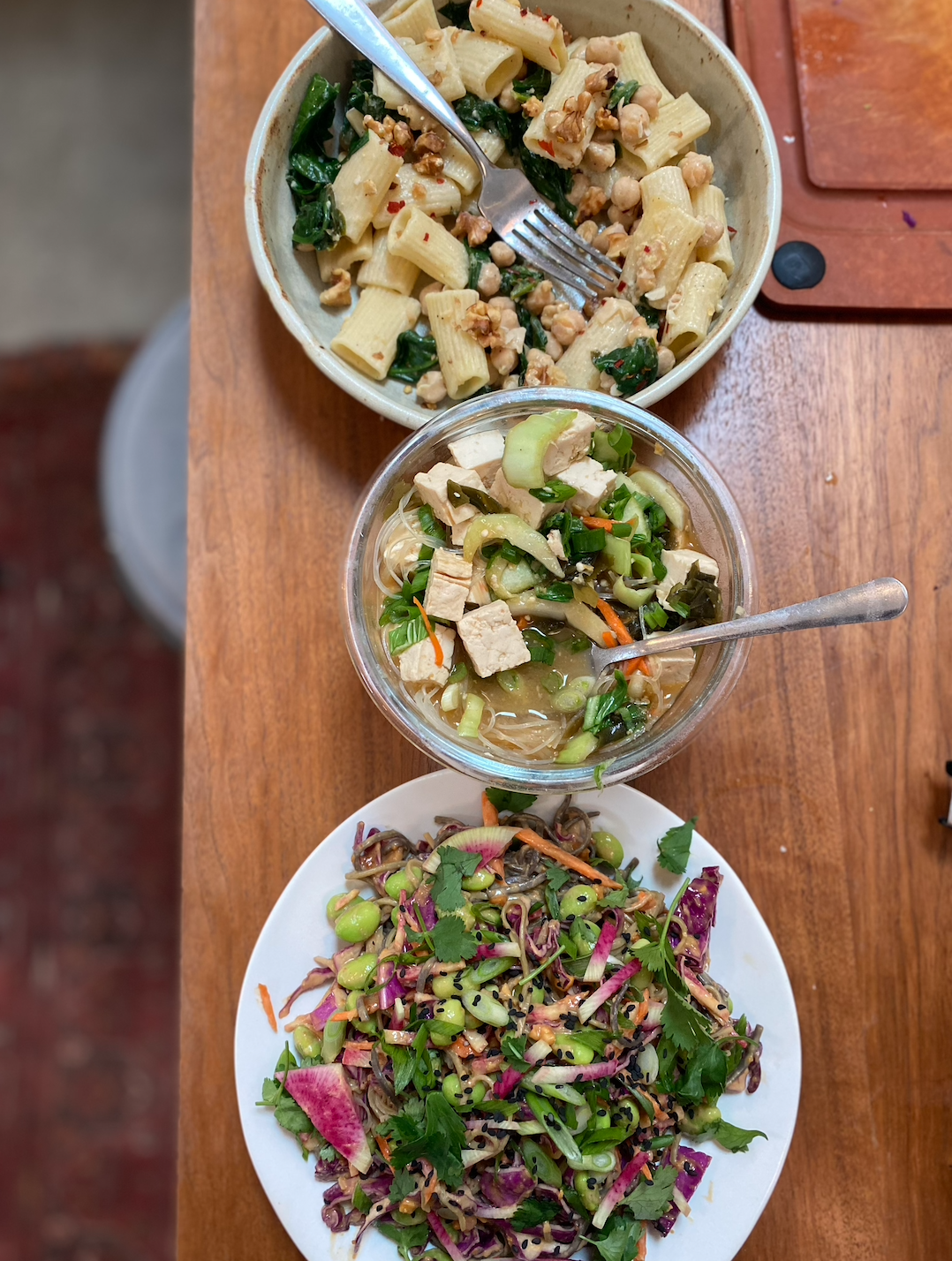

Pour-Over Miso Noodle Soup
This is a simple, soothing bowl built from pantry staples and whatever winter vegetables you have on hand. The key is to shred or finely chop them so they soften in the just-boiled water. In traditional Japanese cooking, miso soup is built on dashi, a light, savory broth made from kombu and bonito flakes (thin shavings of dried, smoked fish) that provides quiet depth beneath the miso. Here, the miso does that work on its own, while cooking the vegetables right in the broth keeps the dish light but satisfying.
If you are using tofu, use firm or extra-firm tofu, cubed and patted dry. You can either add it directly to the broth for a soft, silky texture, or sear it in a lightly oiled skillet until golden for more flavor and structure. Pre-cooked/seasoned tofu is a great option, too, to bring in more flavor.
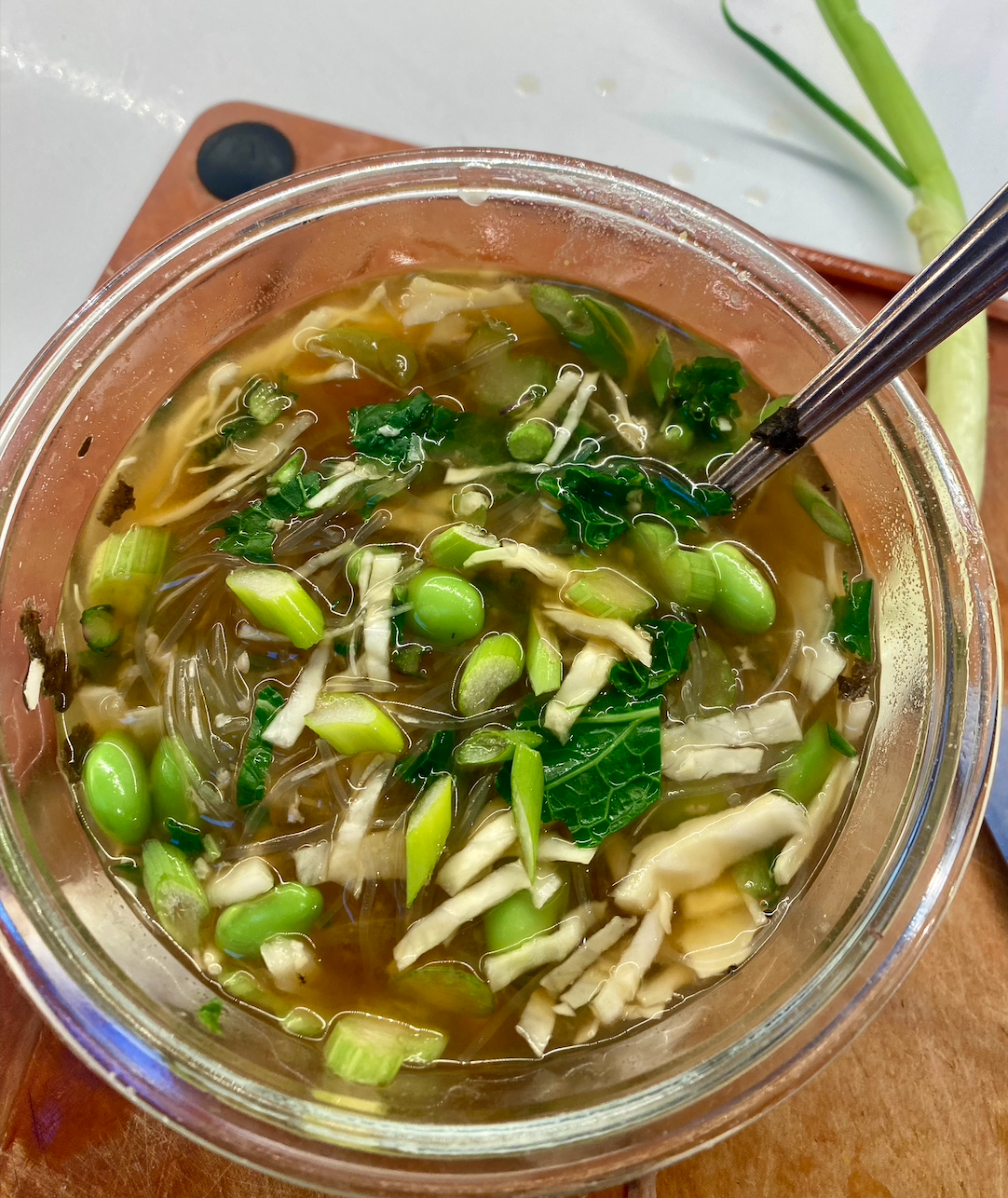
Makes 1 serving
(For multiple servings, just multiply the ingredients and divide between bowls.)
Small tangle vermicelli noodles (thin rice noodles or thin mung bean noodles)
1 scant tablespoon white or yellow miso paste
1 scant tablespoon soy sauce, tamari, or coconut aminos
1 teaspoon each grated fresh ginger and garlic, optional
1 cup shredded or minced vegetables: mushrooms, bok choy, spinach, carrots, cabbage, etc.
Optional add ins:
Protein: Tofu, edamame, or cooked chicken
Heat: Chili crisp, sriracha, gochujang, kimchi juice/shredded kimchi or chili flakes
Seaweed: Wakame or crumbled nori
Garnish: Scallions, cilantro, toasted sesame seeds
Soak the noodles in a bowl of cold or room temperature water while you prepare the rest of the ingredients.
In the bowl you will eat your meal out of, stir together the miso paste and soy sauce. Add the ginger and/or garlic if you are using.
Place the vegetables and protein on top of the sauce.
Boil 2 cups of water. Transfer the noodles to the bowl and pour just-boiled water over them, making sure the noodles are submerged. Cover with a plate or lid and let stand for 5 minutes, stirring once, until the noodles and vegetables are tender.
Stir, taste, and adjust the broth with soy sauce, miso, or water if needed and add optional heat, seaweed and garnishes. Eat!
Sesame Noodles with Crunchy Vegetables
This dish sits somewhere between classic takeout style sesame noodles and a noodle salad. The sauce is savory and nutty with just enough acidity to keep it feeling light. It works warm, room temperature, or cold and is designed to be flexible based on what you have.
Serves 4 - 6
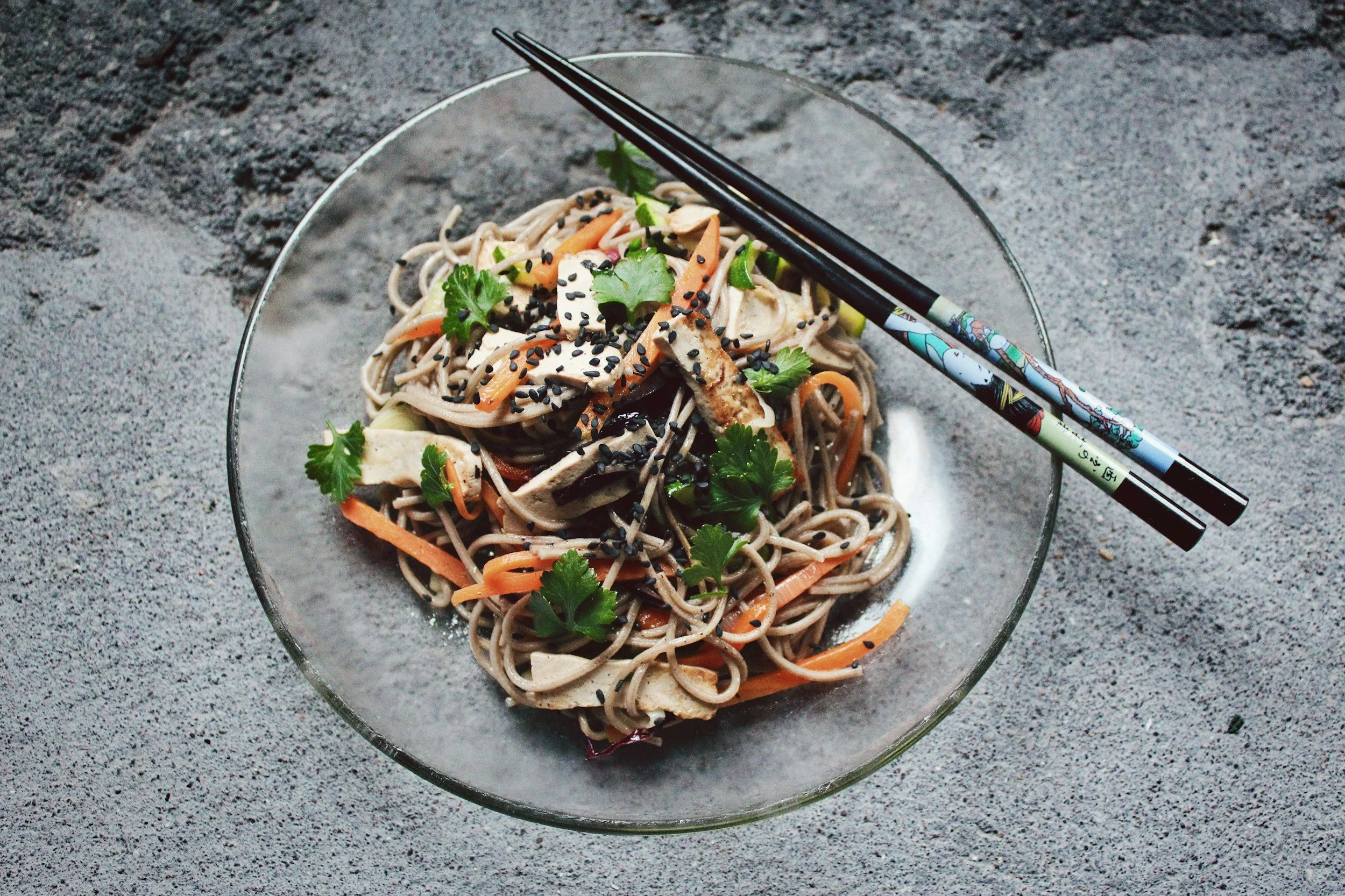
Sauce
⅓ cup tahini or peanut butter, or a combination
3 tablespoons soy sauce
2 tablespoons rice vinegar
1 tablespoon toasted sesame oil
1 tablespoon fresh lemon or lime juice, plus more to taste
1 to 2 teaspoons honey
1 to 2 teaspoons grated fresh ginger, optional
1 small clove garlic, finely grated, optional
Warm water, as needed
Salt, if needed
Whisk everything together until smooth. Add warm water a tablespoon at a time to loosen the sauce until it is glossy and pourable. Taste and adjust for balance.
Noodles
10 - 12 ounces dried noodles (Soba, spaghetti, linguine or Chinese wheat noodles all work)
Cook noodles according to package directions until just tender. Drain well. For warm noodles, skip rinsing.
For room temperature or cold noodles, rinse briefly under cool water and drain again.
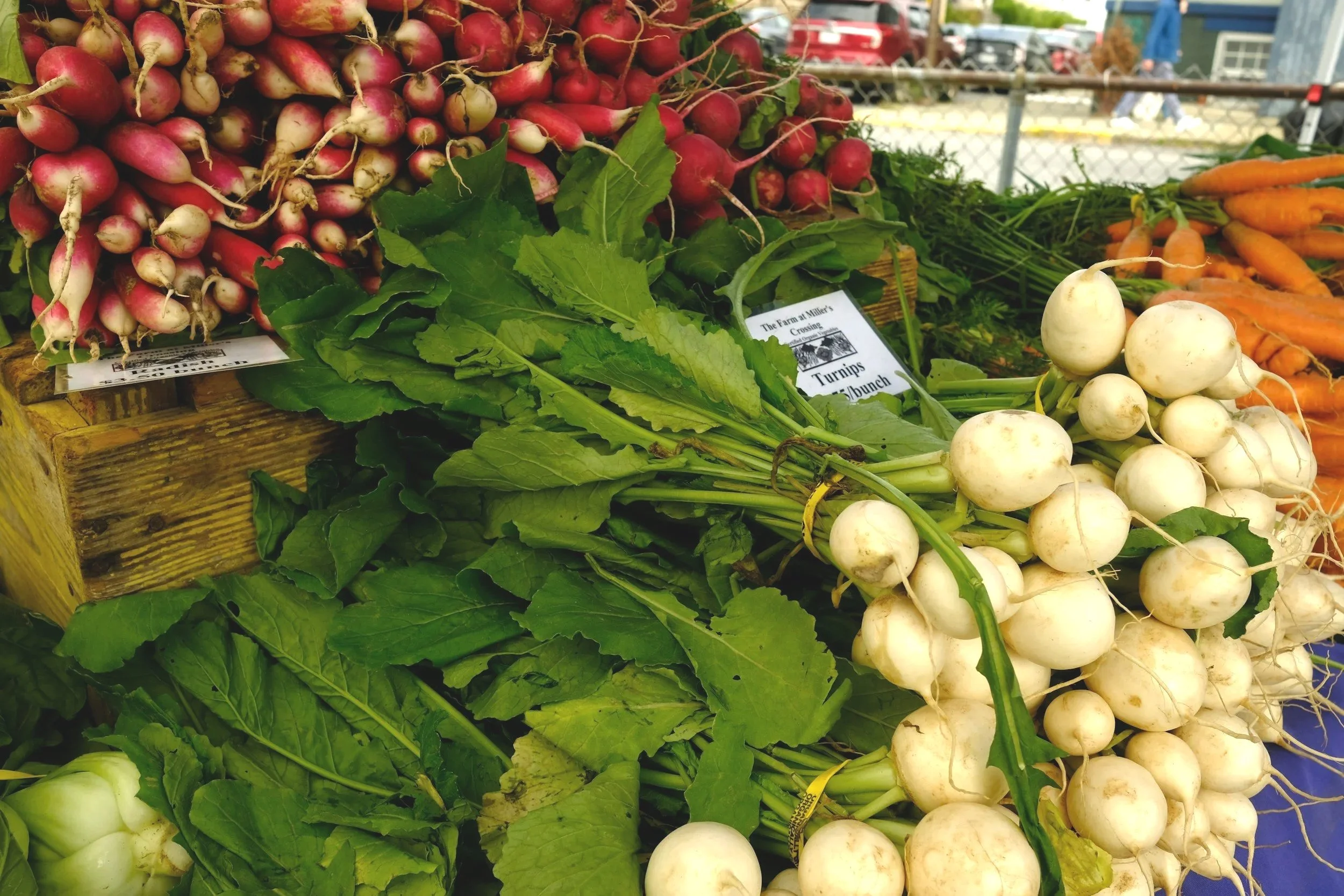
Crunchy Vegetables
Choose 2 to 4 and use a generous amount! This dish works well with a higher vegetable to noodle ratio.
Thinly sliced cucumber
Shredded red or green cabbage
Bean sprouts
Thinly sliced or shredded carrots
Thinly sliced celery
Thinly sliced radishes
To Finish (any or all)
Sliced scallions
Chopped cilantro, including tender stems
Toasted sesame seeds
Crushed roasted peanuts or cashews
Chili crisp or sliced fresh chiles
Assembly
Toss the noodles with enough sauce to coat evenly. Add vegetables and toss again. Taste and adjust with more rice vinegar or citrus juice, soy sauce, or a splash of water if needed.
Finish with scallions, herbs, seeds, nuts, and chile if using.
Optional Variations
Add edamame, tofu, or shredded chicken for protein
Serve cold on warm days and warm in cooler months
Use half noodles and half vegetables for an everyday lunch bowl
Lemon Tahini Chickpea Rigatoni
A bright, creamy pasta that doesn’t rely on dairy. Tahini and lemon come together quickly with a little pasta water to create a rich sauce, and chickpeas make it a hearty, high-protein meal. It’s a great template for weeknights—just a handful of ingredients, room for seasonal vegetables or herbs, and ready in minutes.
Makes 2 - 3 servings
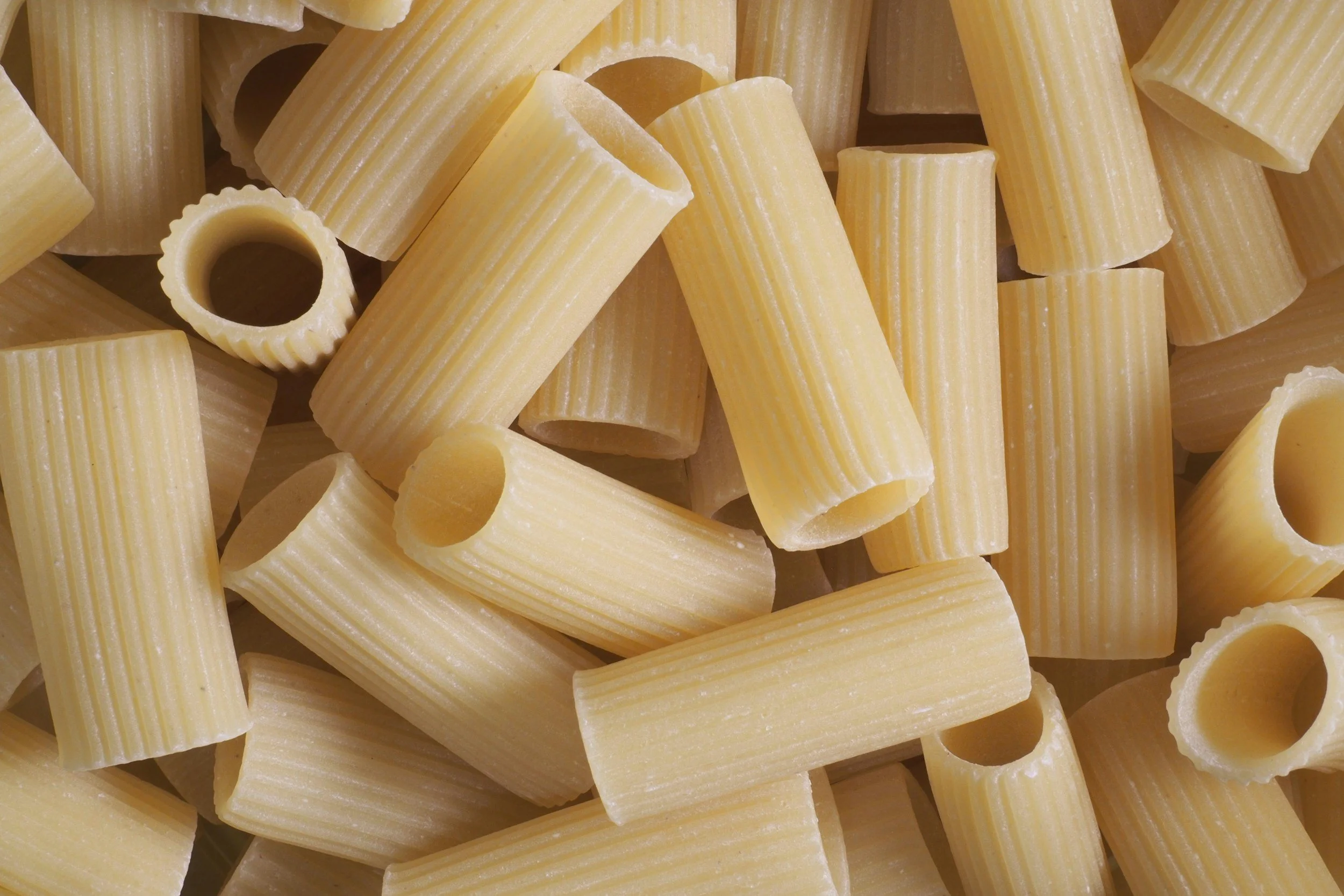
8 oz dry rigatoni (or penne or another shape pasta)
1 can chickpeas, drained
3 - 4 garlic cloves, minced
2 - 3 tablespoons tahini
1 lemon (zest and juice)
1 cup reserved pasta cooking water
Olive oil
2 big handfuls spinach, roughly chopped
Handful of chopped parsley and/or basil
1/3 cup chopped toasted almonds or walnuts
Salt and pepper
Chili flakes (optional)
Cook pasta in salted water according to package directions. Reserve ½ cup of the cooking water before draining.
Warm a drizzle of olive oil in a skillet over medium heat and cook the garlic gently until fragrant but not browned.
Add chickpeas and stir until heated through.
Stir in tahini, lemon juice, lemon zest, and a splash of pasta cooking water to create a creamy sauce.
Add cooked pasta and spinach to the skillet and toss, adding more cooking water as needed to loosen the sauce.
Season with salt and pepper, then fold in the herbs.
Sprinkle with the nuts and chili flakes if you like a little heat.